(North Dakota Monitor) – A state panel on Wednesday gave final approval to revisions to a scrutinized bonus program for employees of the office that oversees billions of dollars in state funds.
The unanimous decision by the governor-led State Investment Board followed little discussion. The board previously heard about the proposed changes for fiscal year 2027 in June.
The initial performance bonus program, authorized by the 2023 Legislature, drew scrutiny last year from observers including lawmakers who perceived the payouts as excessive – as much as $293,000 for one employee – and overstated based on what investments the Retirement and Investment Office directly manages. The bonus program essentially rewards certain office staff for how well internally managed investments perform, but some officials have wondered whether the office is broadly interpreting what state law means by “internally managed.”
The changes include paying out the bonuses in three increments over three years; increasing the eligibility requirement from three months employment to six; and reducing bonus maximum percentages, such as capping two office leaders at 75% instead of 100%, among other revisions, according to a media brief.
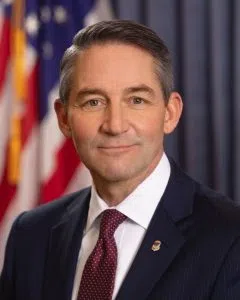
The board approved $1.3 million in fiscal year 2025 bonuses for 12 employees in January. Republican Gov. Kelly Armstrong and the office’s leader say the program aids recruitment and retention and rewards results.
“There’s always going to be scrutiny and criticism of a board like this,” Armstrong told reporters. “I’m comfortable with that, but at the end of the day, we need to make sure we are managing billions of dollars of assets for the North Dakota citizens, and we can’t do that without the human resources to do it well.”
Bonus basis
Nineteen of the office’s 35 staff are eligible for the bonus program, Office Executive Director Jodi Smith said. She acknowledged the bonuses look big, but compared them to those earned by university football coaches for winning games.
“Is there a difference because we work in the financial world and we’re not throwing a ball across a field or a puck across the ice? No,” Smith said in an interview. “I mean, we’re here to help make the state successful, so I don’t know that they’re necessarily excessive.”
The office’s portfolio includes more than $29 billion in assets, including the $15 billion Legacy Fund, the state’s oil tax savings account, as well as $9 billion in pension funds. In roughly the last year and a half, the office’s assets have swelled by $5 billion, mostly because of the Legacy Fund’s performance, Smith said.
The state might be better served by simply raising salaries so as to not be forced to pay bonuses, said Nick Archuleta, president of North Dakota United, a union representing thousands of public employees and teachers.
“This would make more sense and I think would be more fair to take a very good look at what salaries these individuals should be making and just get away from the bonus thing and just pay people for the important work that they do,” Archuleta told the North Dakota Monitor.
Increasing base pay is excessive because it essentially puts a fixed fee onto a business regardless of performance, and “I think it just promotes mediocrity,” Smith said.
“I look at it from a business perspective as this makes way more sense than increasing everybody’s base pay to the highest caliber and ensuring that they show up and they work and they work collaboratively as a team,” Smith said.
What is ‘internally managed?’
Sen. Sean Cleary, R-Bismarck, who has scrutinized the bonuses, said his concerns have related to the bonuses’ “excessive” scale and the office’s interpretation of the state law versus what the Legislature intended.
“My frustration here is that this bonus program was presented to the Legislature as rewarding a small internal investment team, and it’s grown into excessive payouts based on work mostly done by outside money managers,” Cleary said in an interview.
He said he’s also heard frustrations from state employees who wonder why the office’s employees are awarded “massive bonuses” while they receive raises of 2% and 3%.
“I just think if we’re going to do bonus programs for public employees it should actually reflect work that they’re doing, not taking a poorly written section of law and broadly applying it for very lucrative bonuses,” said Cleary, whose legislative district includes many state employees in the capital city.
During the meeting, Office of Management and Budget Director Joe Morrissette asked whether the future bonus payments will be based strictly on how internally managed investments perform. Smith responded that her office sought legal guidance and the definition of internally managed is “the total fund composite” minus two funds.
The governor said “we’re going to follow” that legal guidance.
Attorney general opinion
The day before Wednesday’s board meeting, Republican Attorney General Drew Wrigley released an opinion supporting the office’s legal authority to provide the bonus payments, citing the language of the 2023 legislation and testimony at the time.
In a statement, Smith said the opinion gives clarity that “supports our duty to manage the state’s investment funds responsibly and ensure we have the talent needed to meet our fiduciary obligations.”
Cleary, who requested the opinion, said it brings clarity but he still is concerned the law gives the office and the board broad discretion on how to set and fund the bonuses with little the Legislature can do for oversight over than revisiting the law.
“I think it’s going to have to be something we continue to discuss,” Cleary said in an interview.




FOLLOW US FOR INSTANT UPDATES!


