More evidence soon to be published of LDS Church founder Joseph Smith’s polygamy
Until the late 20th century, most members of The Church of Jesus Christ of Latter-day Saints did not realize that founder Joseph Smith had practiced polygamy himself.
After all, the Utah-based faith had kept pretty quiet about Smith’s involvement in the controversial practice — despite debating with its Missouri cousins in the then-Reorganized Church of Jesus Christ of Latter Day Saints (now the Community of Christ), who argued for Smith’s monogamy.
But as critics and outside historians began to publish more and more information about Smith’s reportedly 30-plus wives, the Utah church acknowledged in an official essay that “Joseph Smith married multiple wives,” the youngest of whom was 14.
Historians — inside the Community of Christ and the larger Utah church — believed the case was settled.
Or so it seemed.
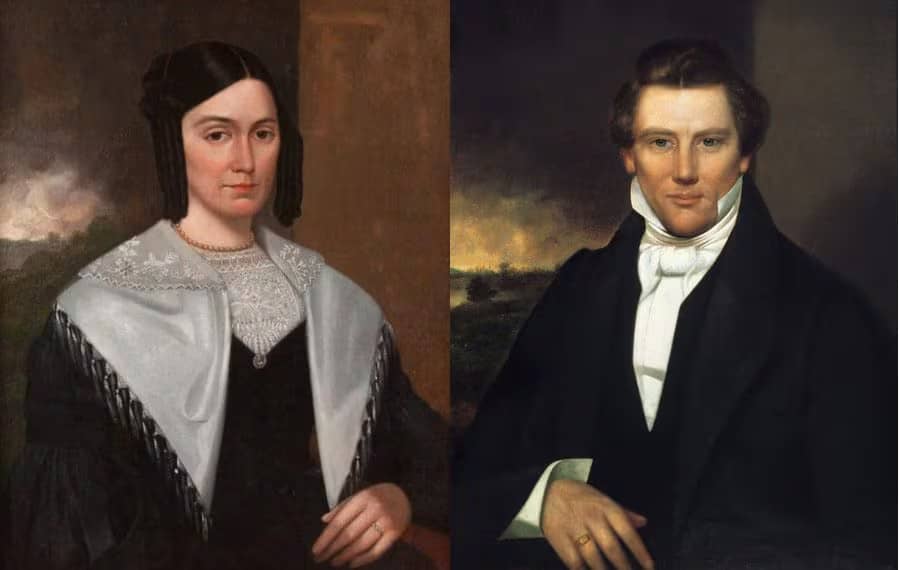
Now there is a new generation of so-called polygamy deniers, many of them Latter-day Saints, claiming there is “no evidence” — or at least scant documentation — of Smith’s marriages to multiple women beyond wife Emma Hale Smith.
The Salt Lake Tribune spoke with LDS experts and historians about the evidence supporting the belief that church founder Joseph Smith practiced polygamy.
Though they base it on their reading of history, their reasons may be more modern.
“For these followers, polygamy denialism justifies suspicion of the LDS Church as an organization,” Latter-day Saint historian Matthew Bowman wrote in a Salt Lake Tribune guest column about this movement, “…an impulse quite powerful in American culture right now — a generalized suspicion of institutions.”
These days, the polygamy controversy is centered on one particular person: William Clayton and the diaries he kept as a secretary and scribe to Joseph Smith during pivotal years in Nauvoo, Illinois, before the Mormon prophet was killed.
And, though the most controversial passages have been public for decades, a copy of Clayton’s record was surreptitiously obtained and circulated widely — ahead of the church’s own annotated publication of the full diaries due out next year from Yale University Press.
The faithful scribe
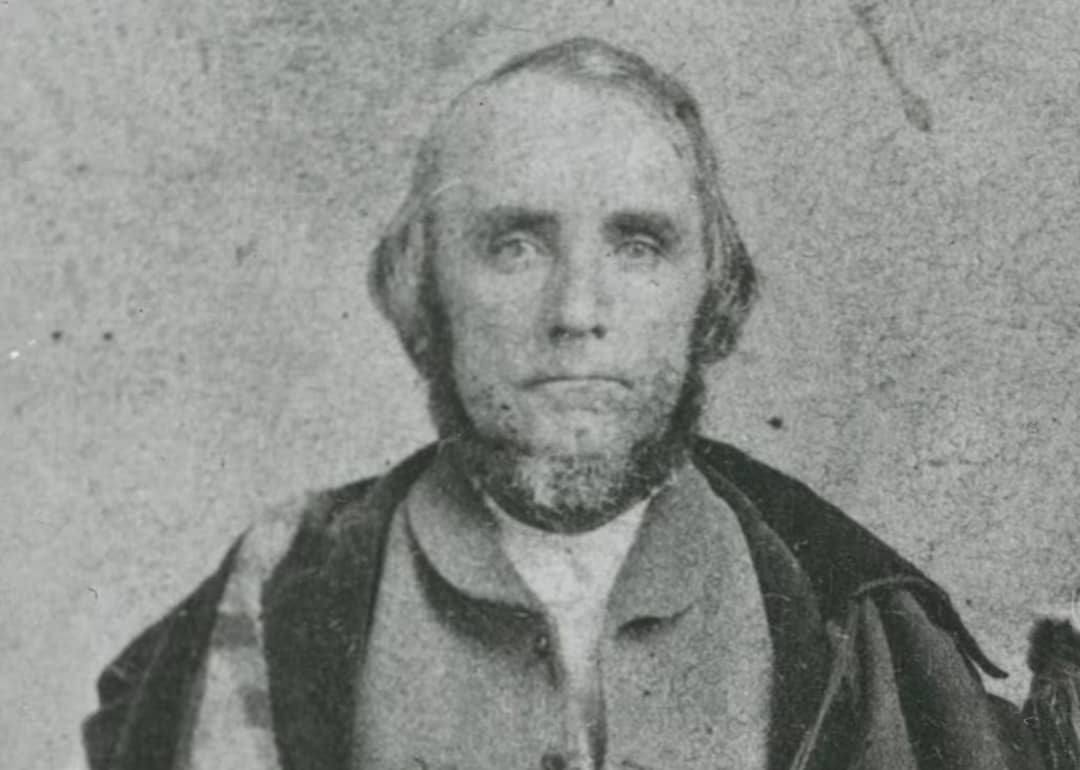
As Smith’s confidant and clerk, Clayton, a professional record keeper, had an insider’s view and left behind what many believe to be an unparalleled description of life in Nauvoo.
He also recorded sensitive details of Smith’s plural marriages, including tensions with Emma, and Clayton’s own experience marrying plural wives.
Of particular note is Clayton’s account from July 12, 1843, of Smith dictating what became Doctrine and Covenants Section 132, Latter-day Saint scripture that outlines the theological justifications for “plural marriage,” as it was known, among biblical figures and the need for it to be restored. The scribe also recorded accounts of Smith marrying women even before that episode.
“It seems clear that Joseph Smith has had these concepts in his mind before this date,” Matthew Grow, managing director of the Church History Department, said in a forthcoming “Mormon Land” podcast. “There’s clear evidence that Joseph Smith and others have begun to practice plural marriage before it’s written down on paper.”
Smith first introduced the practice of plural marriage to a small coterie of colleagues, Grow said, and kept it largely secret from the majority of members.
“Everyone [at the time] wanted this to be kept from public view,” Grow said. “It was born in a moment of great concern that if this practice were revealed, that it would lead to opposition, lead to persecution against the church.”
Clayton doesn’t record anything specific about whether these marriages included physical intimacy, Matthew McBride, director of publications for the Church History Department, said in the same podcast, but later statements by some of the wives “used 19th-century euphemisms” to describe their involvement with Smith.
The church leader’s public statements often contradicted what was happening behind closed doors, Grow said, “and so people are just kind of wondering: OK, does it make more sense that Joseph Smith was trying to protect himself, his family, his followers from the potential fallout and consequences of this becoming public, or is there some conspiracy involved in the creation of all of these other records?”
Some have opted to believe the latter.
Creating a narrative
In a Journal of Mormon Polygamy article, “Crafting a Sacred Story: Joseph F. Smith and the William Clayton Affidavits,” Cheryl Bruno and Michelle Stone argue Clayton’s diary entries and an 1871 letter to an inquiring observer “lacked the cohesiveness needed to serve as a robust defense of [Joseph’s] polygamy.”
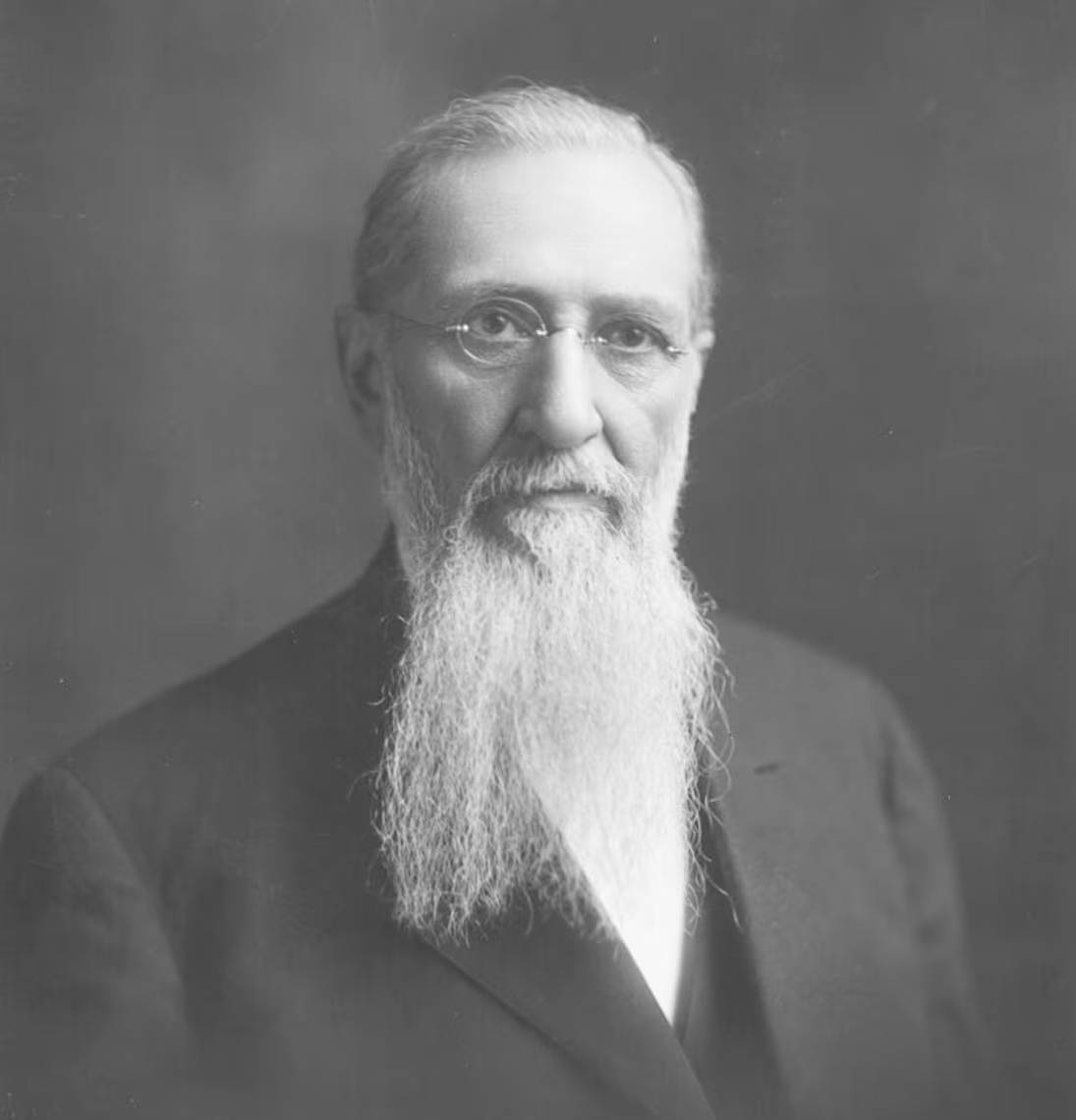
They write that apostle Joseph F. Smith, the church founder’s nephew and eventual church president, pictured above, “recognized the potential within these fragments, seizing upon them to craft a narrative that would fulfill the institutional needs of the church.”
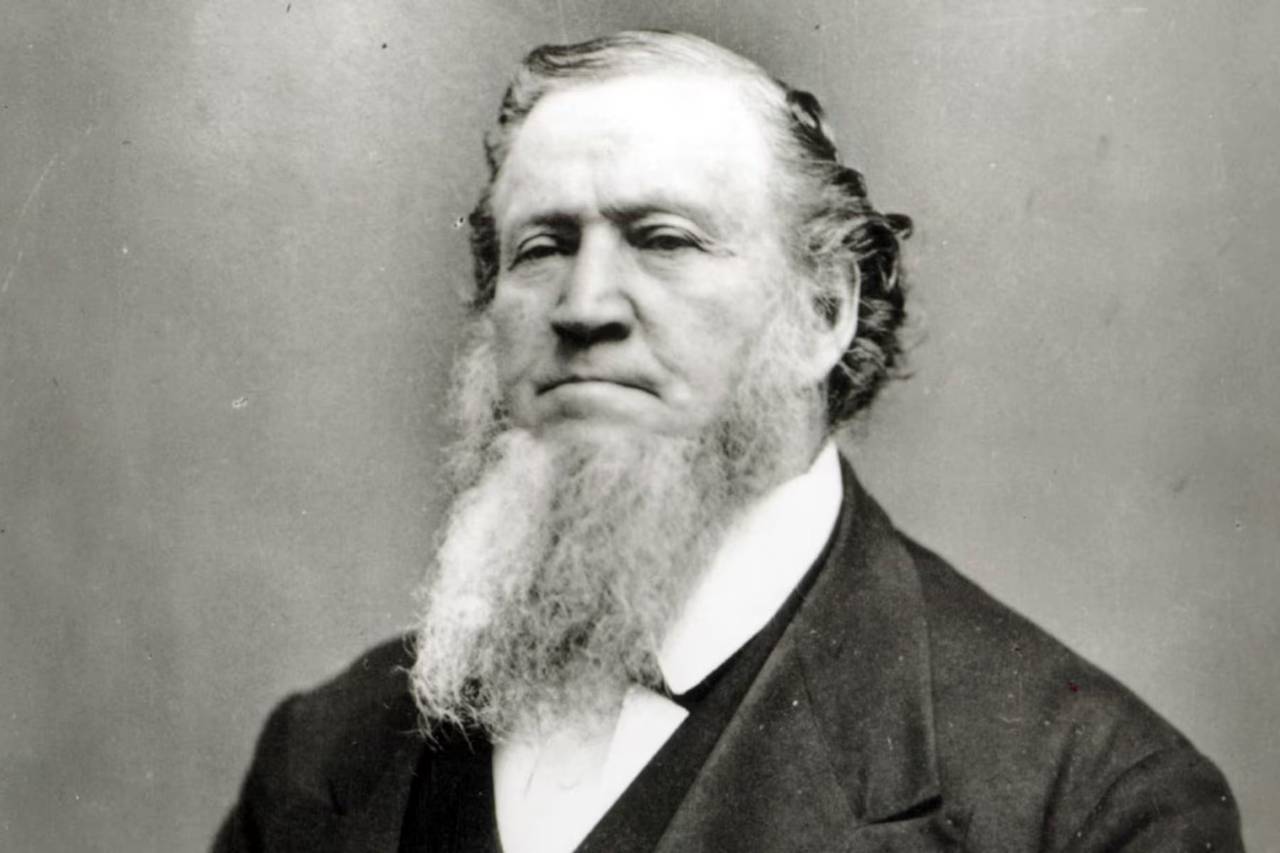
Some skeptics have suggested that crucial evidence of Joseph Smith’s polygamy was the result of dishonest church leaders, including Brigham Young, pictured above.
”The messiness and opaqueness of the Clayton documents, however, do not mean they “were liars,” said historian Todd Compton, who wrote two seminal works on Smith’s polygamy: “In Sacred Loneliness: The Plural Wives of Joseph Smith,” and a companion volume about the supporting documents.
“The Clayton journals are great,” Compton told The Tribune. “You are naive if you want evidence to be absolutely perfect.”
The historian built his conclusions about Smith and the women not only from Clayton’s contemporaneous chronicle and the women’s affidavits in the 1860s but also from memoirs of those who wrote about their relations with Smith.
“Retrospective evidence can be more emotional and human, but together with the sworn statements,” he said, “they built a strong case for Joseph’s polygamy.”
Going public
In the late 1970s, the church gave several historians unlimited access to Clayton’s journals, with the understanding that they would not share them. And they didn’t.
But others inadvertently found the transcripts the historians had made, and then anti-Mormon writers published the most scandalous parts, especially about Smith and the wives besides Emma.
Yes, the historical evidence for Smith’s polygamy may have settled the historical debate with the Community of Christ, but it was also deeply unsettling to Latter-day Saints.
The church kept a lid on the Clayton diaries partly because of the discomfort about the faith’s former practice of polygamy in general, said Grow. “Plural marriage is just a really challenging topic, and we can’t pretend otherwise. It can be very emotional … and very difficult for people to to think about, to imagine, to confront.”
That could help explain why this backlash against the historical record has arisen.
The deniers sit “at the intersection of three trends in the 20th century church, historian Matthew Bowman said in an interview. They are:
- “A firm defense of monogamy, including in the last 30 years a romanticized version of Joseph and Emma’s relationship in books and movies.
- “An emphasis on the charisma and authority of ‘the prophet,’ and in particular Joseph Smith.
- “The institutional discomfort and obscuring of the evidence for polygamy, and especially Joseph Smith’s.”
Thus, “the denials find it difficult to square a prophet as charismatic and authoritative as they believe Joseph Smith to be with a practice they find repellant,” Bowman said, “and the church’s uneven history with being forthright about the sources has opened the door to suspicion and conspiracy belief.”
Today’s Latter-day Saints “have grown up in a monogamous world,” said Grow, “so it’s hard to to think about our spiritual ancestors, who confronted a very different time.”
Grow and McBride hope readers will soon have a chance with the forthcoming publication to discover Clayton’s richer, multilayered story about early Mormonism — including day-to-day life in Nauvoo and efforts to finish the temple before abandoning it for the trek West — not just its pages about secret polygamy.
This story was produced by The Salt Lake Tribune and reviewed and distributed by Stacker.